If you've ever gone from mud-caked and freezing at 6 a.m. to sweating through your shirt by noon, you already know that farm and ranch work doesn’t happen in one set of conditions. It happens in all of them. Your gear can’t just be tough. It has to work for every chore, whether you're wrangling cattle, mending fences or climbing in and out of the tractor all day long. Here’s what to actually look for.
What Makes Good Farm & Ranch Workwear?
No two days on a farm are exactly alike, and your clothes get put through the grinder. Mud and water break down fabric and stitching far faster than dry conditions do. Then there’s the livestock: horns, hooves, fence wire, gate edges and all the bending and reaching that comes with handling animals. And we haven’t even gotten to snags on machinery.
Quality agricultural workwear should hold up to organic wear-and-tear as well as physical wear, while still letting you move freely around the yard. Unlike clothing for indoor trades, farm and ranch apparel needs to balance rugged durability with comfort and flexibility. Heavy-duty fabrics like canvas are important, but they shouldn’t restrict movement when you're mounting tractors, working livestock or crossing uneven terrain.
The Features Every Farmer Should Look For
Not every pair of work pants or jacket is built for life on the farm. When comparing farm workwear, focus on features that directly improve comfort, durability, and functionality.
Reinforced Construction
"Durable" gets thrown around a lot, but not every durable fabric is durable in the ways that matter for farm and ranch work. Here's what's actually worth paying attention to.
Abrasion resistance should be job one, and it should be concentrated where the wear actually happens: knees, seat and lower legs. Reinforced panels, often built with tough synthetics like CORDURA®, hold up to fence lines and repeated kneeling far better than plain fabric. For premium reinforcement without the added weight, look for Dyneema®, one of the strongest fibers in the world by weight. Reinforced seams and stitching matter more here than in a lot of trades, since farm work stretches clothing constantly. Bar-tacked stress points and triple-needle stitching go a long way toward not blowing out a seam mid-chore. Our reinforced work pants are built with exactly these stress points in mind.
Fabric weight and weave should also fit the job. Heavier canvas or twill shrugs off fencing and rough handling but breathes less. Ripstop resists tearing while staying lighter for hot days.
Freedom of Movement
Working around animals, climbing equipment and near-constant repairs requires unrestricted movement. Look for stretch fabrics, gusseted crotches, articulated knees, ergonomic fits and adjustable, flexible waistbands. These details reduce restrictions and make long days much more manageable. Our Stretch Ripstop Cargo Work Pants e.s.t:aktik are a good place to start.
Practical Storage
Having tools within easy reach saves time throughout the day. Look for deep front pockets, secure zip pockets, utility pockets, knife pockets and glove-holder attachment points. Above all, choose pocket layouts that stay accessible no matter your position.
Comfort for Long Days
Comfort isn’t a luxury when you’re working fifteen or more hours outdoors. Breathable materials, moisture-wicking fabrics, ventilated construction and lightweight stretch panels all help reduce fatigue in ever-changing conditions.
Weather Resistance
You work rain or shine, sleet or snow. Look for water-resistant finishes, wind-resistant outer layers and quick-drying base layers that keep you comfortable through pouring rain, wet grass or early morning frost.
How to Dress for Farm Work in Every Season
One of the biggest challenges in agriculture is that temperatures are always changing. Layering lets you adapt without sacrificing comfort or mobility.
Spring
Cool mornings. Wet fields. Sudden rain showers. Even the occasional late snowstorm. Pair lightweight base layers with sturdy work pants and water-repellent shell jackets to handle whatever the day brings.
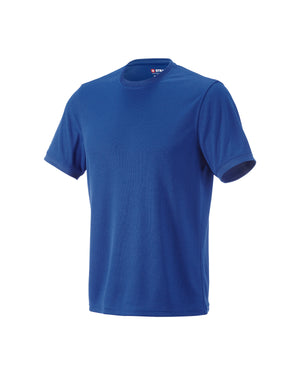
Hot weather calls for breathable gear that helps regulate your body temperature. Opt for lightweight stretch work pants, ideally with added ventilation, and lightweight shirts that wick sweat and offer UV protection.
Cooler temperatures and busy harvest schedules make layering essential. Durable, wind- and water-repellent outerwear is great this time of year. But early fall can still get warm, so your summer gear will probably stay in rotation.
You need insulation without excessive bulk. Start with a moisture-wicking base layer, add an insulating mid-layer, and finish with a weather-resistant shell. Staying mobile matters, and heavy puffer jackets can make that hard. Insulated winter work jackets built for movement give you warmth without the bulk.
Safety gear on a farm or ranch is more situational than universal, but it's worth thinking about depending on your setup.
Hi-vis workwear makes sense if you work near roads, run ATVs or spend time around large machinery in low light. Not everything you own needs to be hi-vis, but reflective details and hi-vis elements on some of your outerwear add a real safety margin in those situations.
Safety shoes with toe caps are worthwhile if you work around a lot of heavy equipment. For most everyday fieldwork or livestock handling away from roads and machinery, standard workwear does the job just fine. It really comes down to matching your gear to your actual risk. More machinery traffic, shared roads or low-visibility conditions mean it's worth having at least some safety gear in the rotation.
How to Make Your Farm Workwear Last Longer
Quality workwear is an investment, and proper care extends its lifespan. A few quick tips to get the most out of your gear:
Remove mud before it dries and hardens
Wash garments according to the label instructions
Repair small tears before they become larger problems
Reapply water-repellent treatments when needed
Rotate frequently worn garments to reduce excessive wear
Regularly inspect knees, pockets, and seams for damage
A little maintenance can add months, or even years, to your favorite workwear.


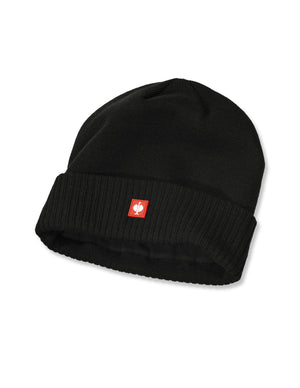 Beanie e.s.trail pure